 blog
How Often Should a Commercial Building Be Repainted? A Practical Guide
Last Updated: November 11, 2026
Quick Summary
How often should a commercial building be repainted depends on surface, coating, exposure, and prep at the last paint job, so we plan repaints around condition rather than a fixed calendar. Check south- and west-facing walls and trim twice a year, and roof edges, parapets, and gutters quarterly, to see whether each elevation is trending toward the early or late end of its range.
- South- and west-facing elevations take the most UV load and usually fail first.
- Coastal salt spray accelerates metal corrosion, and freeze-thaw cycles open masonry and stucco cracks.
- High humidity raises mildew risk on north-facing walls.
- Phased repainting by elevation is common because one elevation can need paint years before another.
- A space scrubbed weekly with mild detergent outlasts one scrubbed daily with abrasive chemicals.
Table of Contents
- How Often Should a Commercial Building Be Repainted? Start With Condition, Not a Calendar
- Commercial Building Exterior Painting Frequency: What Drives the Timeline
- Commercial Interior Painting Schedule: Match Intervals to Room Use
- Signs a Commercial Building Needs Painting: An Inspection Checklist
- Frequently Asked Questions
How Often Should a Commercial Building Be Repainted? Start With Condition, Not a Calendar
Ask how often should a commercial building be repainted and most guides hand you a fixed number. Paint life depends on sun, rain, surface material, and use, so the answer comes from inspection, not a calendar. We plan repaints around condition.
Commercial Building Exterior Painting Frequency: What Drives the Timeline
Exterior paint rarely fails on a schedule, so the useful answer is a range tied to surface and coating. Exterior paint rarely fails on a schedule, so the useful answer depends on substrate, coating system, exposure, and prep at the last paint job.
Surface-specific intervals. These are planning ranges, not guarantees, confirm them against a hands-on inspection before you budget.
guidance on inspecting walls and trim twice a year recommends checking south- and west-facing walls and trim twice a year, and roof edges, parapets, and gutters quarterly; those checks tell you whether an elevation is tracking toward the early or late end of its range.
South- and west-facing elevations take the most UV load and usually fail first. Coastal salt spray accelerates metal corrosion, freeze-thaw cycles open masonry and stucco cracks, and high humidity raises mildew risk on north-facing walls. One building can need one elevation repainted years before another, so phased repainting by elevation is common.
Why exterior painting protects your property explains the long-term value, and our guide to commercial exteriors and their paint types covers which coating suits each surface. Treating a five-year-old metal panel and a five-year-old brick wall as the same maintenance item is the most common way owners repaint too early or discover corrosion too late.
Exterior repaint timing depends on the surface and its exposure, so these planning ranges should be confirmed by inspection.
| Item | Value | Note |
|---|---|---|
| South- and west-facing walls and trim | Check twice a year | Take the most UV load and usually fail first |
| Roof edges, parapets, and gutters | Check quarterly | Checks show if an elevation trends early or late |
| Coastal salt spray | Accelerates metal corrosion | Exposure factor for metal surfaces |
| Freeze-thaw cycles | Open masonry and stucco cracks | Exposure factor for masonry and stucco |
| High humidity | Raises mildew risk | Affects north-facing walls |
| Phased repainting by elevation | Common | One elevation can need paint years before another |
Commercial Interior Painting Schedule: Match Intervals to Room Use
Interior walls age by traffic, cleaning, and moisture rather than weather, so a single interior interval is rarely right. Set a repaint window per room type, then let inspection move it earlier or later.
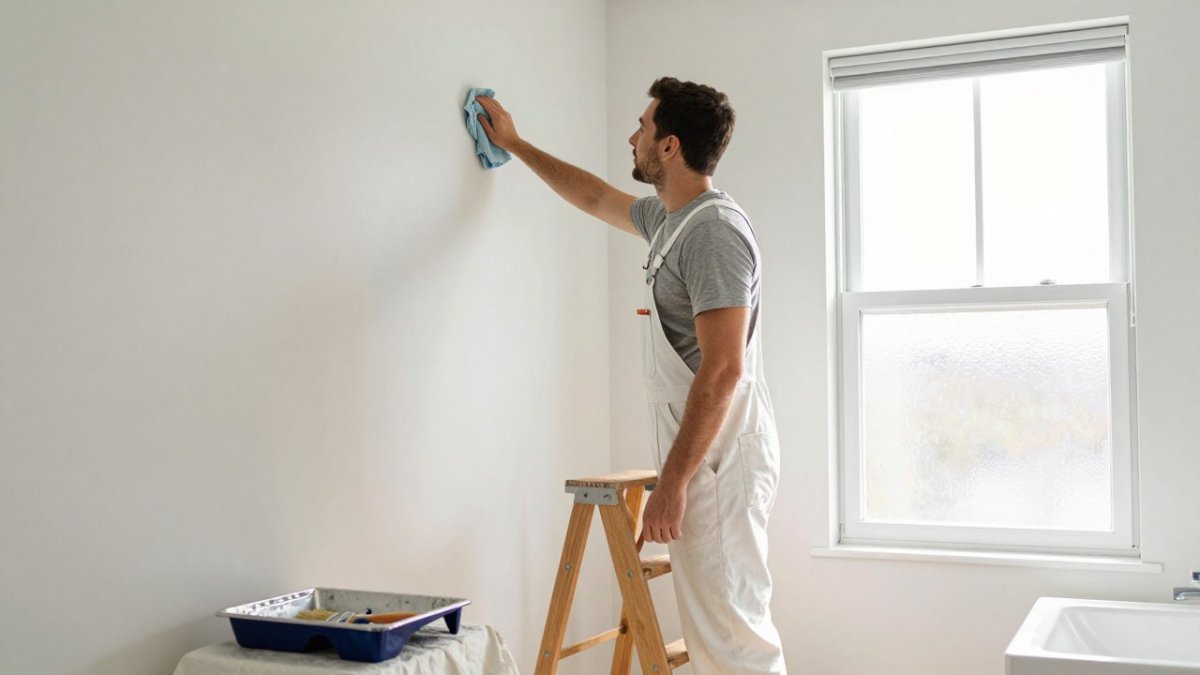
Cleaning regimen is a schedule input. A space scrubbed weekly with mild detergent outlasts an identical space scrubbed daily with an abrasive or strong disinfectant. If your custodial team uses aggressive chemicals, move to a chemical-resistant coating or shorten the interval.
Our article on how often to paint an office interior goes deeper on office timelines. Repainting a restroom or kitchen with the adjacent office's flat finish is a false economy, it will look tired within a year and cost more to redo.
Signs a Commercial Building Needs Painting: An Inspection Checklist
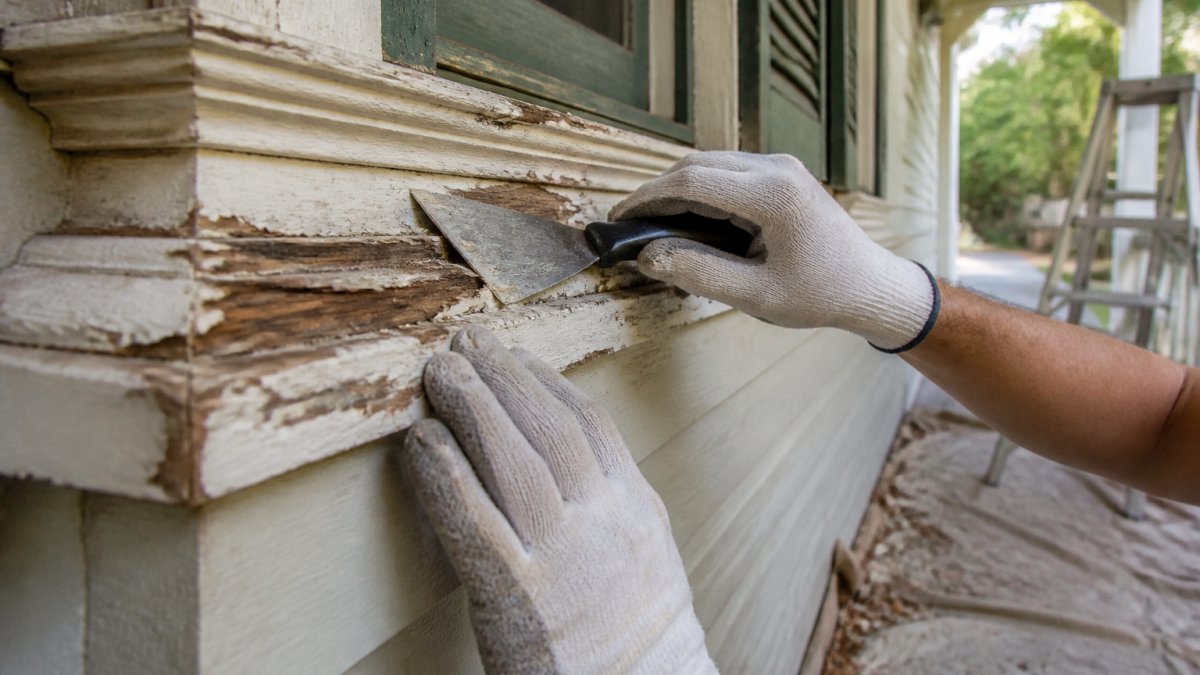
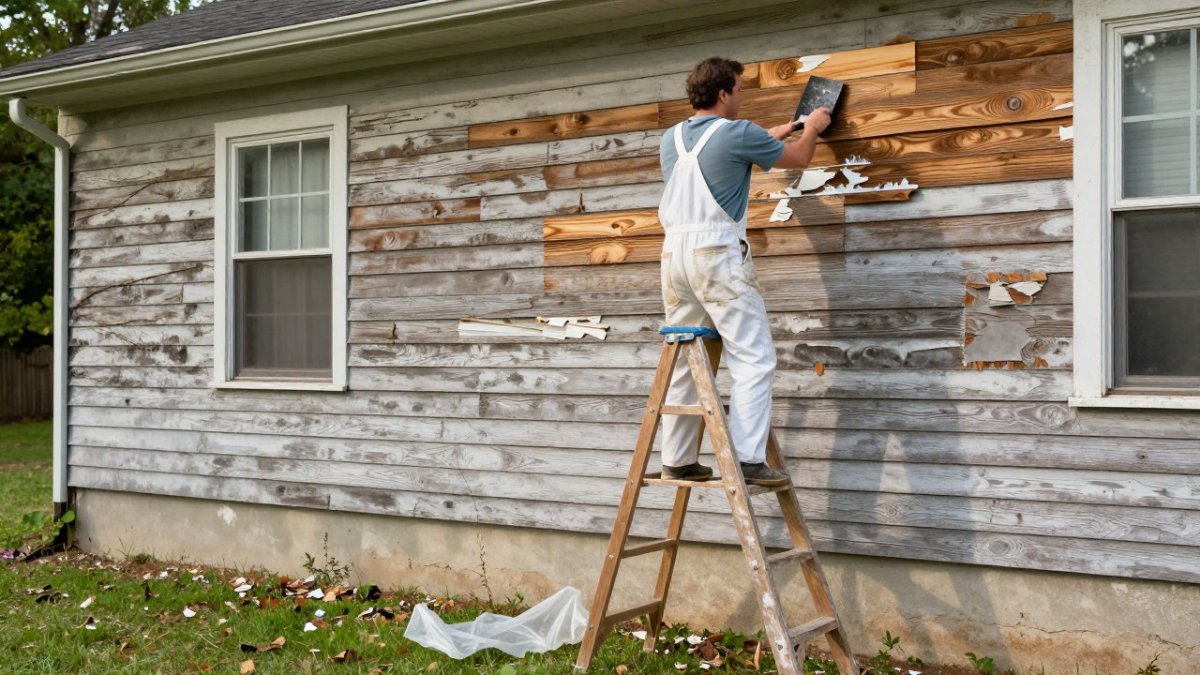
Look for chalking, peeling, cracking, fading, blistering, flaking, moisture damage, and corrosion. Routine inspection catches these early and keeps small fixes from becoming full repaints. Use this checklist:
- Check south- and west-facing walls for fading
- Look for peeling and blistering near window frames
- Inspect roof edges, parapets, and gutters
- Probe for soft or chalky paint
- Check metal for corrosion
- Note moisture stains and cracks
- Review high-traffic interior walls
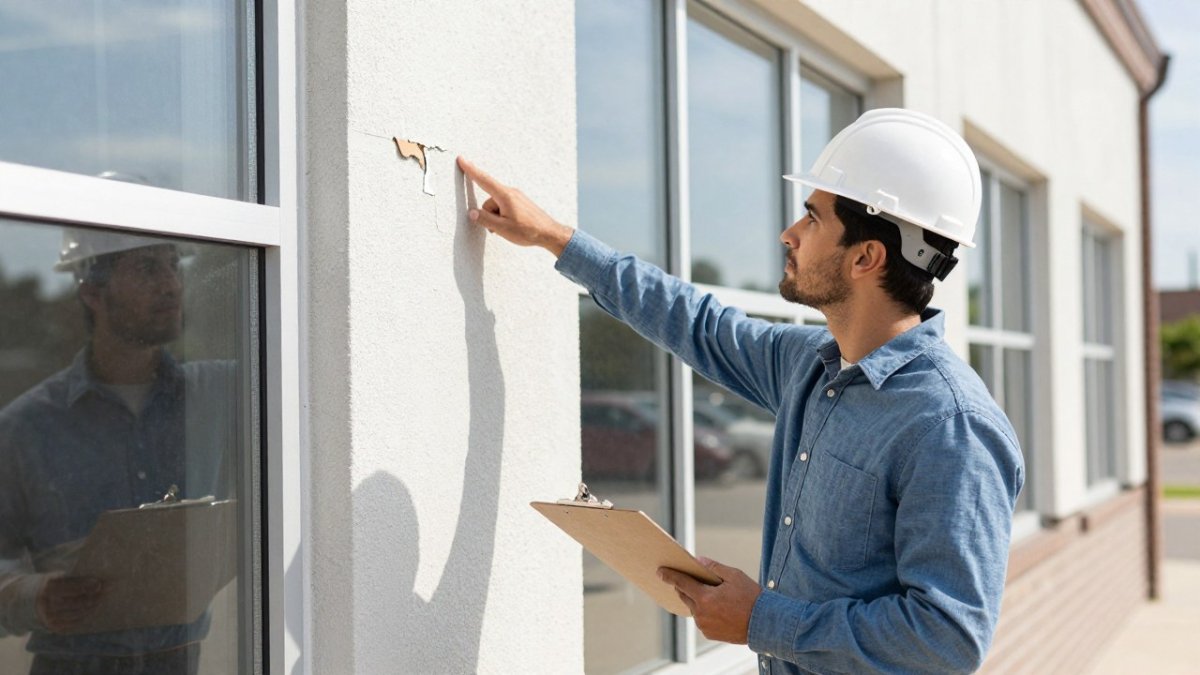
Once failure signs appear, a commercial painting warranty protects the investment.
A building that looks tired sends the wrong message to every customer who walks past. Southern Perfection Painting Inc. sends trained W-2 employees, never subcontractors, uses premium Sherwin-Williams and Benjamin Moore paints, and backs every project with a written workmanship warranty. Get a free estimate and a detailed, itemized quote within 48 hours. Commercial painting services start with a simple call.
Frequently Asked Questions
What factors affect how long commercial paint lasts?
Paint lifespan depends on sun exposure, humidity, temperature swings, surface material, coating quality, and surface preparation. South- and west-facing walls take more UV and heat, so they age faster than shaded elevations. Metal surfaces can corrode, while masonry may hold moisture. Your building's specific conditions matter more than any single interval.
What are the signs a commercial building needs painting?
Look for chalking, peeling, cracking, fading, blistering, flaking, and corrosion. Moisture damage often shows as bubbling or discoloration near seams and openings. In high-traffic or customer-facing areas, scuffs and wear appear faster. Inspect entrances, trim, and roof edges quarterly. If you spot any of these signs, schedule a professional evaluation rather than waiting for a fixed date. Catching them early protects the substrate and extends paint life.
How often should a commercial building's exterior be repainted?
There is no single timeline for every property. Repaint when inspection reveals chalking, peeling, or cracking. Climate, surface type, and coating system all shift the interval. Condition-based planning beats a fixed calendar. A commercial painting maintenance plan that includes routine inspections helps you repaint at the right time instead of on a guess.