 How-to
Painting Project Management for Property Managers
Table of Contents
- Why Painting Project Management Matters for Property Managers
- Commercial Painting Project Planning: The Foundation
- Tenant Communication for Painting Projects: A Complete Approach
- Commercial Painting Contractor Checklist: Vendor Selection and Evaluation
- Commercial Painting Project Timeline: Execution and Oversight
- Quality Control and Final Inspection
- Managing Multiple Properties and Phased Work
- Frequently Asked Questions
Last Updated: October 8, 2026
Why Painting Project Management Matters for Property Managers
Effective painting project management is essential for property managers overseeing residential, commercial, or rental properties. At Southern Perfection Painting Inc., we've managed hundreds of painting projects across metro Atlanta, and the difference between smooth execution and chaos comes down to preparation.
The good news: painting project management follows a predictable process. With the right framework, you can control costs, protect your properties, and keep tenants happy.
Commercial Painting Project Planning: The Foundation
Start by defining exactly what you're painting and why, refreshing a rental unit, updating commercial spaces for brand consistency, or protecting exteriors from weather. The purpose shapes every decision that follows.
Define Scope and Surface Specifications
Your scope of work is the contract between you and the painting contractor.
Don't just say "paint the interior." Instead, specify:
- Which rooms or areas are included
- Surface type (drywall, plaster, wood trim, metal doors, cabinets)
- Current condition (clean, needs prep, has damage)
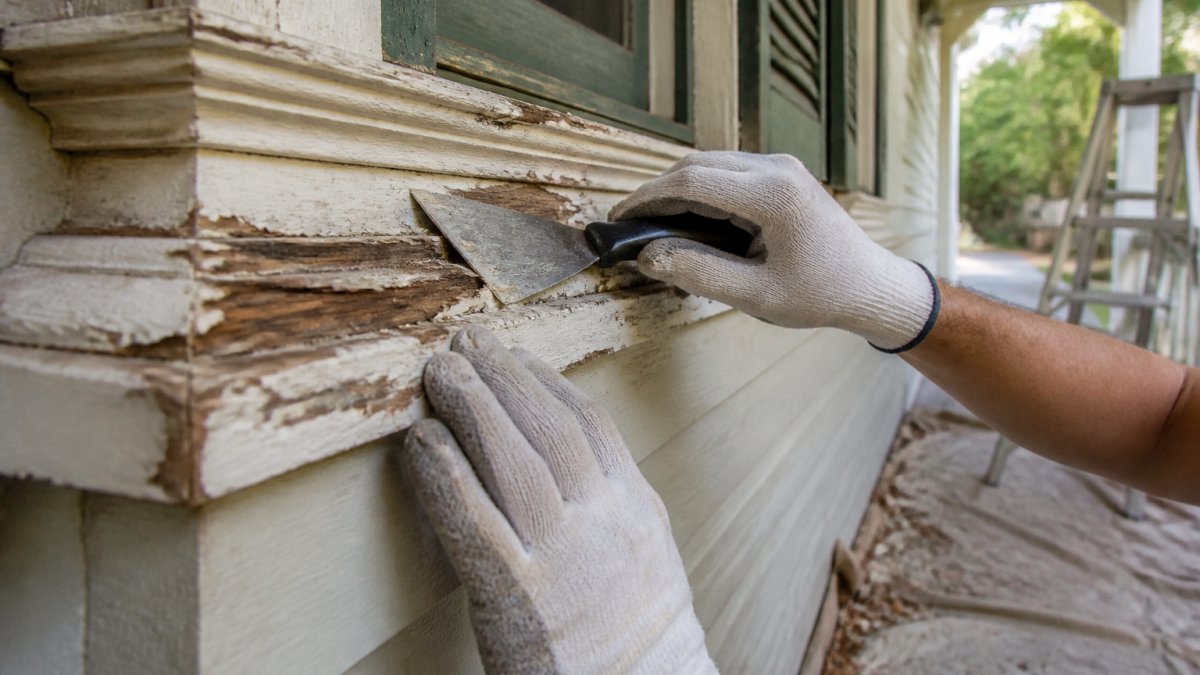
Surface preparation is where contractors cut corners. Specify required prep, patching, sanding, caulking, priming. Poor prep peels within months; good prep lasts years.
Premium paints from brands like Sherwin-Williams and Benjamin Moore cost more upfront but deliver superior durability and coverage; budget paints need more coats and fail faster.
Establish Budget and Timeline
Get multiple bids and compare what's included, not just price.
Budget 10-15% for contingencies, most painting projects uncover surprises like water damage, mold, or structural issues.
Timeline depends on scope, occupancy, and contractor availability. A single apartment interior takes 3-5 days; a full commercial exterior may take weeks.
Tenant Communication for Painting Projects: A Complete Approach
Tenant communication makes the difference between a smooth project and a nightmare of complaints, damage claims, and lease disputes.
Notice Requirements and Access Coordination
Most jurisdictions require written notice before entering a rental unit, some 24 hours, others 48 or more. Southern Perfection Painting Inc. works with property managers to ensure all legal requirements are met.
Your notice should include:
- Specific dates and times of work
- What rooms will be affected
- Contact information for questions
Confirm tenants will be home and available; for vacant units, ensure keys and access. Schedule work when tenants are least disrupted, typically weekday mornings.
Managing Disruption and Expectations
Set realistic expectations.
Provide a contact person from the painting contractor's team who can respond quickly, fast communication prevents small issues from becoming big problems.
For occupied commercial spaces, schedule off-hours work when possible, early morning, evening, or weekends, and communicate the schedule clearly.
Commercial Painting Contractor Checklist: Vendor Selection and Evaluation
Choosing the right contractor is critical: a good one executes on time and on budget, while a bad one creates months of headaches.
Bid Comparison and Contract Terms
Request detailed bids from at least three contractors, comparing total cost, what's included (prep, priming, paint, cleanup, trim), timeline, payment schedule, and warranty terms.
The lowest bid isn't always best, underbidding contractors often cut corners or hit cash flow problems mid-project. Look for reasonable, realistic bids.
Never pay in full upfront.
References, Insurance, and Workmanship Warranty
Verify the contractor carries general liability insurance (minimum $1 million), workers' compensation, and commercial auto insurance if transporting equipment.
Request proof of insurance before work begins. Uninsured contractors expose you to liability if someone is injured on your property.
Workmanship warranty is essential. Southern Perfection Painting Inc. backs every project with a written workmanship warranty: if paint peels, cracks, or fails due to poor application, the contractor fixes it at no cost.
Commercial Painting Project Timeline: Execution and Oversight
Once work begins, active oversight keeps projects on track and catches problems early.
Pre-Work Site Preparation
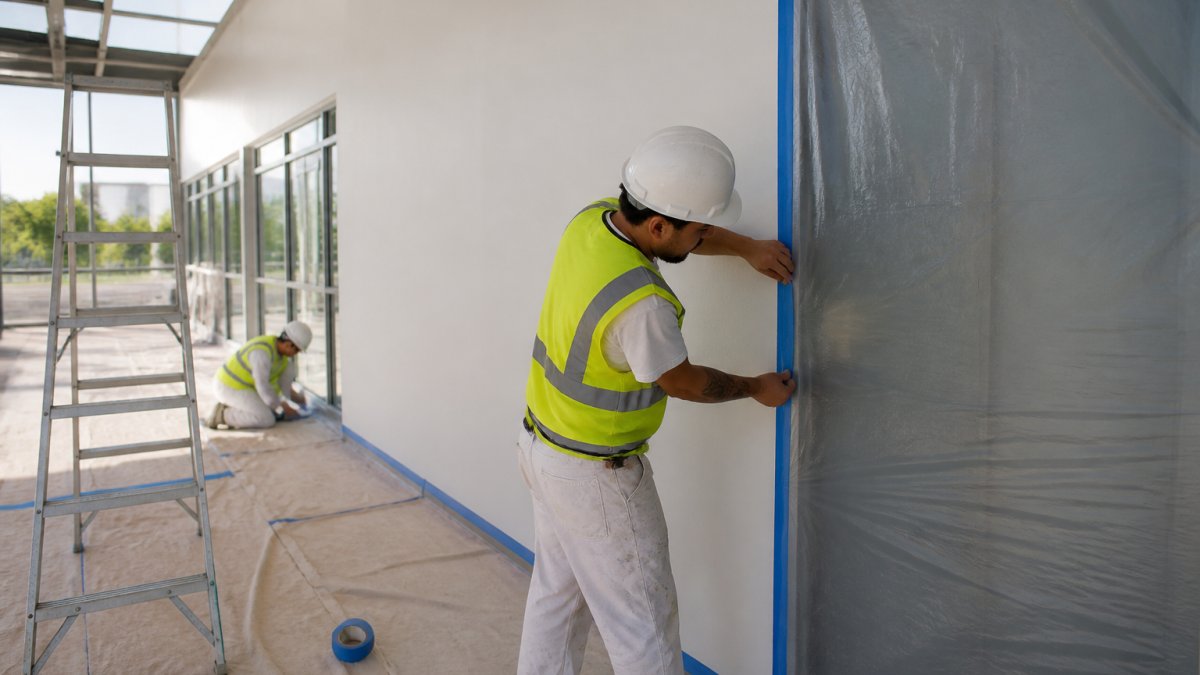
Before painters arrive, remove or cover furniture and fixtures, protect floors with drop cloths or plastic, tape trim, outlets, switches, and hardware, close doors to contain dust and odors, ensure ventilation and lighting, and confirm water and electrical access.
Walk the property with the contractor before work begins, pointing out areas of concern, special finishes, or tricky details to confirm expectations.
Crew Management and Daily Coordination
Check in daily, a 15-minute site visit catches problems before they become expensive.
Look for work quality and attention to detail, progress against the timeline, proper cleanup and site safety, and compliance with occupancy rules.
Document progress with photos to protect yourself if disputes arise about what was completed or the quality of work.
Quality Control and Final Inspection
Quality control is not a single walkthrough at the end, it's a set of checkpoints and measurements that tell you whether the project delivered what you paid for, plus metrics and documentation you can carry into the next project and budget cycle.
Quality Checkpoints During the Project
Build three checkpoints into every painting project:
- Pre-work walkthrough. Confirm scope, surface conditions, protection of floors and fixtures, and any exceptions. Document with photos and a signed scope acknowledgment.
- Mid-project inspection. Check prep quality (patching, sanding, caulking, priming) before finish coats go on, prep problems are cheap to fix now and expensive later.
- Final inspection. Full walkthrough in good lighting, punch list created, and written agreement on remaining items before final payment.
What to Inspect at Final Walkthrough
Inspect each surface against the scope, not a general impression. Look for uniform color and sheen with no thin spots, flashing, or lap marks; crisp cut lines; no drips, runs, sags, or overspray; smooth finish without heavy brush marks or roller stipple where specified; complete coverage including closets, ceilings, and door edges; proper cleanup with no paint on glass, hardware, outlets, or flooring; and smooth, painted caulk lines.
KPIs That Actually Measure Painting Performance
Track these metrics per project and roll them up by property and contractor:
- On-time completion rate, percentage finished on or before the contracted date.
- Cost variance, actual minus approved budget, as a dollar figure and percentage. Flag anything over 10%.
- Callback rate, warranty or quality callbacks within 12 months, per project.
A contractor with a high on-time rate but high callback rate is fast but sloppy; one with a low callback rate and moderate cost variance is usually the better long-term partner.
Closeout Documentation Package
Close every project with a written closeout package to protect you in warranty disputes and give you a baseline for the next repaint. Include the final scope of work with approved change orders, product data (brand, product line, sheen, color codes per surface), warranty documentation, punch-list sign-off, before/during/after photos organized by area, final invoice and payment record tied to budget and variance, and a contractor scorecard update.
Warranty and Callback Handling
A written workmanship warranty is only as good as your process for using it. When a defect appears, peeling, cracking, blistering, or premature fading, document it with photos and a written description, reference the original scope and product data, and submit the claim in writing within the warranty period.
Turning Closeout Into the Next Project's Advantage
The closeout package feeds directly into your portfolio calendar and budget: you know the products, surface conditions, actual cost, and contractor performance. That's the difference between managing painting as a forecastable expense and reacting every time a unit turns over.
Managing Multiple Properties and Phased Work
Most painting advice stops at a single unit, but property managers overseeing a portfolio must sequence work across many buildings and units while keeping spend predictable and tenants calm, requiring a portfolio-level system, not a per-project plan.
Build a Rolling Painting Calendar
A rolling calendar is the backbone of portfolio painting. Instead of reacting to turnover, you plan repaints on a predictable cycle.
Assign each unit or building a target repaint interval based on traffic and use:
- High-turnover rental units: repaint interiors on each turnover, with a full refresh every 2-3 turnovers.
- Standard residential units: interior every 3-5 years; exterior every 5-7 years depending on sun and moisture.
- Commercial common areas: high-touch surfaces (lobbies, corridors, elevator banks) every 2-3 years; full repaint every 5 years.
Map these intervals onto a 12-24 month calendar that doubles as your budget forecast and contractor-scheduling tool.
Portfolio Budgeting: Cost Drivers and Contingency
Painting budgets fail when managers treat every unit as identical. Costs swing based on forecastable drivers:
- Square footage of paintable surface (walls, ceilings, trim, doors)
- Surface condition, new drywall versus patched, water-stained, or previously painted with failing coatings
- Prep intensity, patching, sanding, caulking, priming, and lead-safe work on pre-1978 housing (required under the EPA's Renovation, Repair and Painting Rule when disturbing painted surfaces in pre-1978 housing and child-occupied facilities) (the EPA)
Build your annual painting budget from these drivers, not a flat per-unit number, then add contingency: 10-15% of the painting line item for occupied, older properties, and 15-20% for properties with known moisture, deferred maintenance, or historic finishes.
Planned vs. Actual: Tracking Cost Variance
A simple variance tracker turns painting into a managed expense. For each project, log four numbers:
- Approved budget (from your scope and winning bid)
- Committed cost (signed contract amount, including change orders)
- Actual cost (invoiced and paid)
- Variance (actual minus budget, as a dollar figure and percentage)
Roll these up by property and portfolio monthly. If one property runs more than 10% over on multiple projects, the problem is usually scope definition or prep assumptions, not the contractor.
Phasing to Spread Cost and Disruption
Phasing is a cash-flow and contractor-availability strategy:
- Spread exterior work across the dry season so you're not paying for the entire portfolio in one quarter.
- Group interior turns by building so a crew stays on-site and reduces mobilization costs.
- Alternate buildings year over year so no single property carries a disproportionate share of the budget.
Contractor Relationships Across a Portfolio
A contractor who has painted one of your buildings knows your standards, access rules, and tenant base, reducing miscommunication and shortening mobilization.
Maintain a one-page contractor scorecard per vendor covering on-time completion, callback rate, and average cost variance. Over a year, that scorecard tells you more than any single reference call.
A Simple Portfolio Workflow
- Assess every property on a rolling cycle and log condition by surface.
- Forecast repaint needs into the 12-24 month calendar.
- Budget using cost drivers plus contingency, funded monthly.
- Bid each project to at least two prequalified contractors.
- Schedule work in phased blocks by geography and season.
- Track committed versus actual cost and log variance.
- Close out with a punch list, warranty documentation, and a scorecard update.
That loop, repeated across the portfolio, separates managers who control painting costs from those surprised by them.
Frequently Asked Questions
What should be included in a commercial painting project scope?
A complete scope defines surface type (interior walls, exterior siding, trim), paint specifications by surface and use, surface preparation requirements, access and scheduling constraints, tenant notification procedures, cleanup and debris removal, and quality standards. It should also specify which areas are included, exclusions, and timeline. A detailed scope prevents misunderstandings and ensures contractors bid on the same work, making painting project management clearer for everyone involved.
How do you schedule painting work in an occupied building?
Coordinate timing around tenant occupancy by scheduling work during off-hours, weekends, or phased by floor or section. Provide written notice at least 14-30 days in advance, specifying exact dates, times, and affected areas. Use phased scheduling to minimize disruption: paint one floor while tenants occupy others, or work in sections. Establish clear access protocols and designate crew arrival/departure times. Communicate daily progress and any changes immediately to tenants and property staff.
How can property managers minimize tenant disruption during painting?
Minimize disruption by using phased work that isolates painted areas, scheduling during low-occupancy periods, providing advance notice with specific timelines, and using low-odor paints where possible. Establish temporary barriers to contain dust and fumes, coordinate elevator access, and assign a single point of contact for tenant questions. Plan surface preparation and drying time to avoid extended access restrictions. Clear communication about the schedule and daily progress reduces complaints and maintains tenant relations during painting project management.
What makes a painting contractor reliable for commercial property work?
Look for contractors with verifiable commercial experience, references from similar properties, current insurance and bonding, and a written workmanship warranty. Confirm they employ trained, W-2 crews rather than subcontractors, use premium paints from established manufacturers, and provide detailed, itemized quotes within 48 hours. Check how long they've been in business and their track record completing projects on time and within budget. A reliable contractor communicates clearly from estimate through final inspection and stands behind their work in writing.