 How-to
Why Painting Quotes Differ So Much
Table of Contents
- Why Painting Quotes Differ So Much
- Scope of Work and What Should a Painting Estimate Include
- Surface Preparation, Repairs, and Labor Standards
- Paint Quality, Materials, and Number of Coats
- Contractor Experience, Insurance, and Overhead
- How to Compare Painting Quotes and Use a Painting Estimate Checklist
- Questions to Ask a Painting Contractor Before Hiring
- Warranty, Cleanup, and Contract Protections
- Frequently Asked Questions
Last Updated: October 10, 2026
Why Painting Quotes Differ So Much
Painting quotes vary wildly because of differences in scope, material quality, surface preparation, and workmanship guarantees. The real skill is comparing quotes fairly based on value, not price alone.
Scope of Work and What Should a Painting Estimate Include
Your estimate should spell out exactly what the contractor will and won't do: number of coats, square footage, primer and paint type, surface prep work, repairs needed, trim work, cleanup, timeline, crew size, and warranty coverage. Look for line-item breakdowns; vague estimates are red flags.
Surface Preparation, Repairs, and Labor Standards
Surface prep is where costs diverge dramatically. A contractor who skips prep work will quote lower. A contractor who does it right will quote higher.
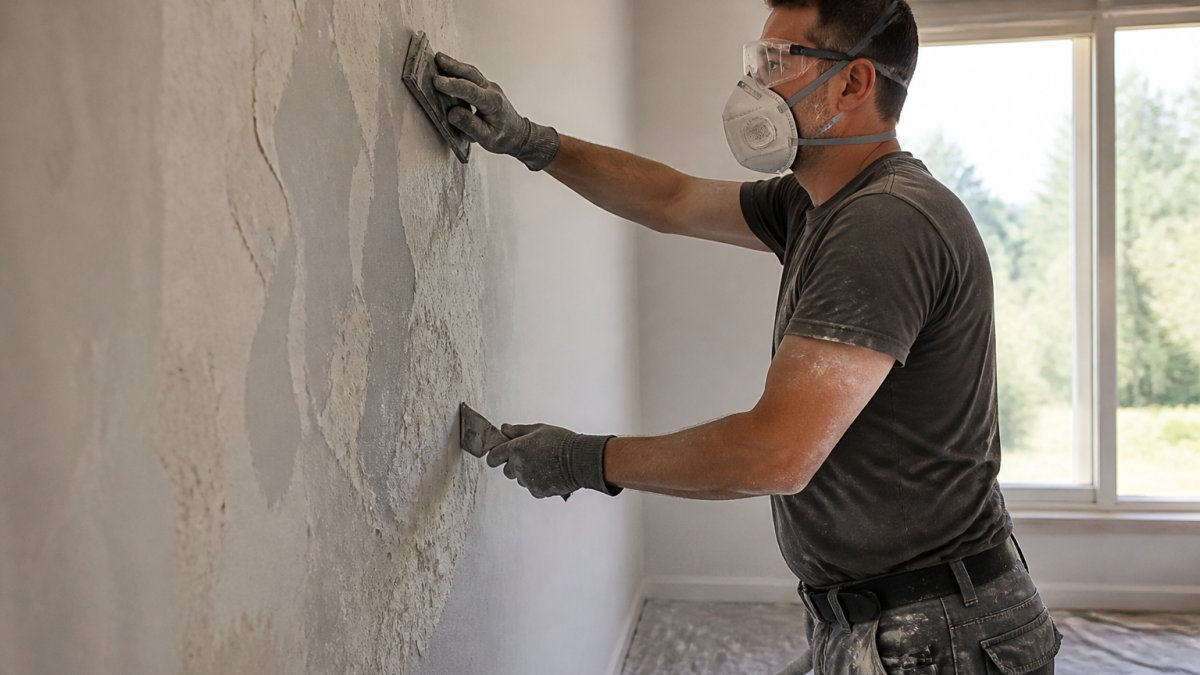
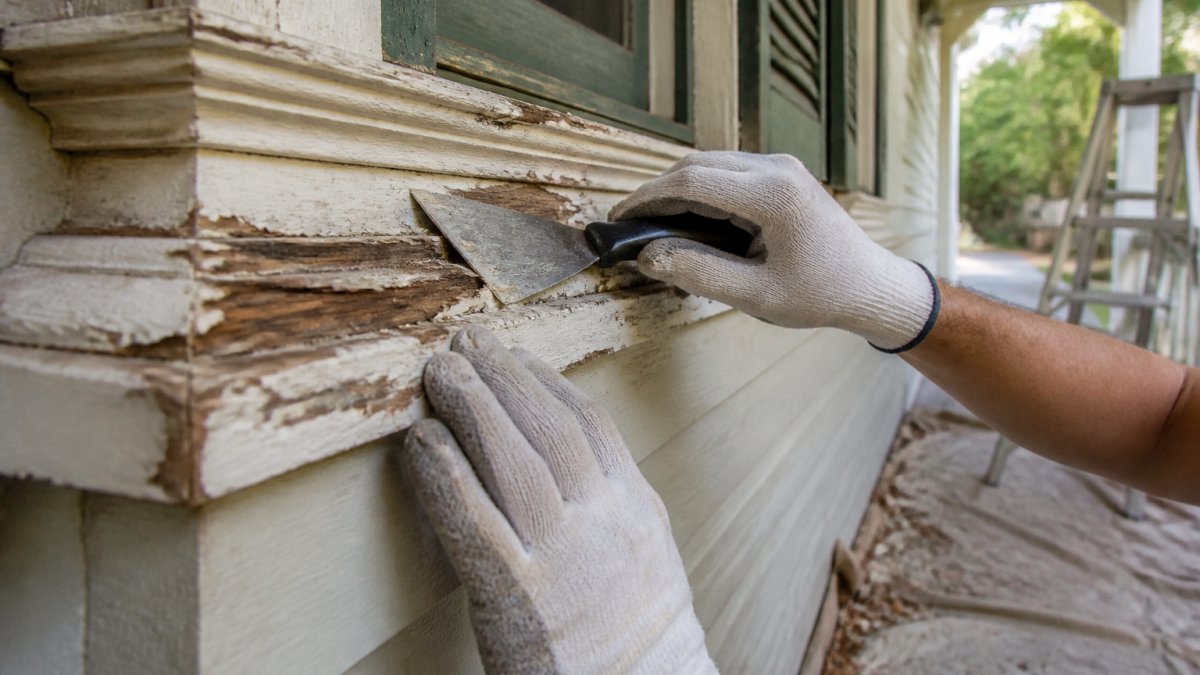
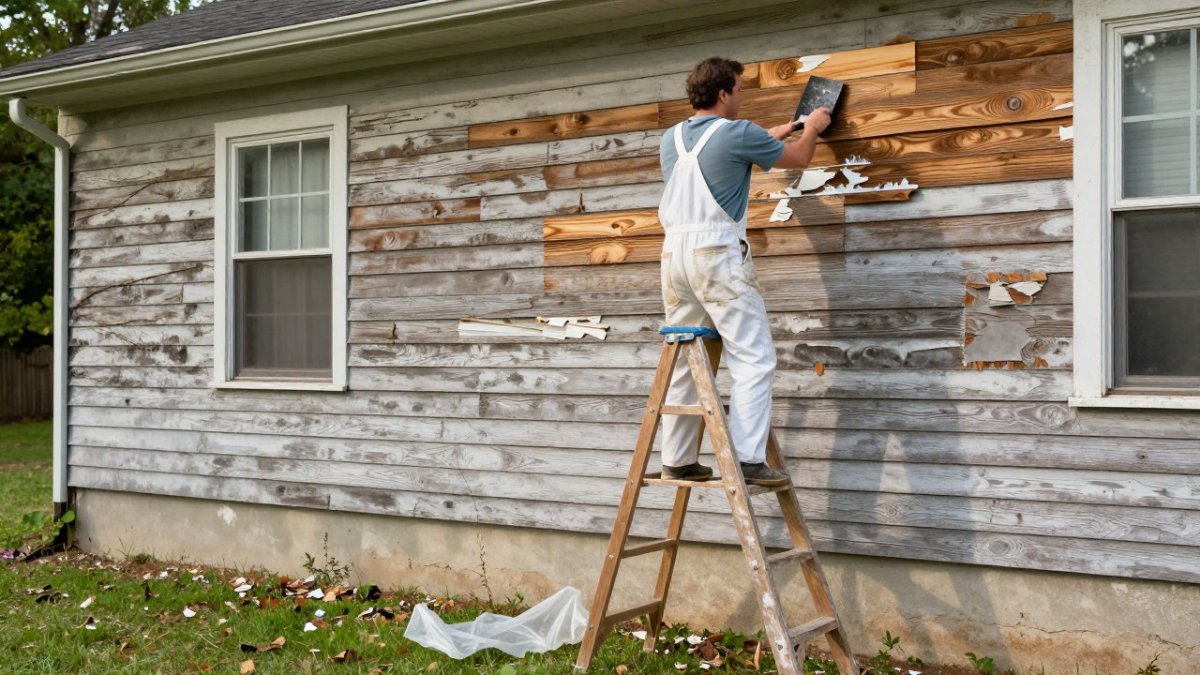
Good prep work includes scraping loose paint, sanding rough spots, filling cracks and holes with spackling compound, caulking gaps, and priming bare wood or drywall. Skipping these steps means paint won't adhere properly, and you'll see peeling or chipping within months.
Repairs add time and cost. Water damage, large cracks, or damaged plaster must be fixed before painting. Crew size also affects price and timeline; larger crews finish faster but cost more per day.
Paint Quality, Materials, and Number of Coats
Budget paint wears faster, covers less area per gallon, and often requires more coats. Premium paint costs more upfront but lasts longer and covers better. Two coats is standard; three may be needed over darker colors or light over dark. Your estimate should specify paint brand, quality level, number of coats, primer type, and coverage.
Contractor Experience, Insurance, and Overhead
Experienced, insured contractors charge more because you're paying for reliability, legal protection, and accountability.
Why Experience Affects Price
A painter with 15+ years has learned what works on different surfaces and how to troubleshoot mid-job. Experienced contractors have reputations to protect; those with no track record have less to lose by cutting corners.
Why Insurance and Licensing Cost Money
A licensed, insured contractor carries: (1) General Liability Insurance, covers damage to your home; (2) Workers' Compensation Insurance, covers crew injuries; (3) Business Licensing, proves state registration and tax compliance. These protections cost $500-$1,500/year for liability, 15-30% of payroll for workers' comp, and $200-$500 for licensing. Contractors without these can quote lower, but you assume all risk.
How to Verify Licensing and Insurance
Verify before you hire. Check your state's Department of Consumer Affairs or Licensing Board website for the contractor's name and license number. Request a Certificate of Insurance (COI) showing General Liability of at least $1 million, Workers' Compensation coverage, your address as "additional insured," and expiration date covering your project. Search the Better Business Bureau and state Attorney General for complaint patterns. Ask the contractor for three references from the past 2 years and call to verify on-time completion, cleanup, and paint durability.
Why Overhead Matters
Overhead includes the contractor's office, equipment, vehicles, insurance, payroll, and staff. A professional operation with a physical address, phone line, and W-2 employees has higher overhead than a solo painter working from his truck. Higher overhead means the contractor is more likely to be around in 5 years for warranty service, has invested in their business, and employs trained, accountable staff. A contractor with low overhead might quote lower, but they're also more likely to go out of business or cut corners to stay profitable.
Red Flags: When to Walk Away
- Refuses to provide proof of insurance or licensing
- No business address or phone number (only a cell phone)
- Wants cash payment and no written contract
- Can't provide references or references don't return calls
- Quote is 50%+ lower than others with no clear explanation
- Pressures you to decide quickly or pay a large deposit upfront
What to Ask About Experience
- How long have you been painting professionally?
- How many homes have you painted in the past 5 years?
- Can you provide before-and-after photos of similar projects?
- Do you employ W-2 staff, or do you use subcontractors?
A contractor with 15+ years, a stable business address, and a portfolio of similar projects is a safer bet than someone with 2 years of experience and a cell phone number.
How to Compare Painting Quotes and Use a Painting Estimate Checklist
Comparing quotes fairly requires normalizing them so you're comparing equivalent work.
Step 1: Request Standardized Scope from All Contractors
Before comparing, ask each contractor to provide an estimate for the exact same scope: which rooms or surfaces, current condition, desired finish, specific paint brand and quality level, all prep work required, and cleanup expectations. This eliminates the most common source of quote variance: contractors pricing different amounts of work.
Step 2: Create a Line-Item Comparison Worksheet
Use this template to break down each quote:
| Cost Category | Contractor A | Contractor B | Contractor C | Notes |
|---|---|---|---|---|
| Materials | ||||
| Paint brand & type | ||||
| Paint cost (qty & price per gallon) | ||||
| Primer brand & type | ||||
| Primer cost | ||||
| Caulk, spackle, sandpaper, other supplies | ||||
| Labor & Prep | ||||
| Surface prep (scrape, sand, patch, caulk) | ||||
| Drywall or plaster repair | ||||
| Priming labor | ||||
| Painting labor (coats) | ||||
| Trim & detail work | ||||
| Services & Protection | ||||
| Cleanup & debris removal | ||||
| Crew size & timeline | ||||
| Written warranty (years & coverage) | ||||
| Insurance & licensing verification | ||||
| Total Quote |
Fill this out for each estimate. If a contractor doesn't itemize, ask them to break down their quote into these categories. Vague estimates are a red flag.
Step 3: Normalize Quotes with Different Scopes
If contractors still quote different scopes despite your request, adjust them to match:
Example: Contractor A quotes $3,500 including drywall repair. Contractor B quotes $2,200 but excludes drywall repair. You know the drywall work is needed.
- Ask Contractor B: "What would you charge to add drywall patching and sanding to this estimate?" (Let's say they add $400.)
- Adjusted Contractor B quote: $2,600
- Now you can fairly compare $3,500 vs. $2,600
Another example: Contractor A uses Sherwin-Williams ProClassic (premium). Contractor B uses a budget brand. Ask Contractor B: "If I want ProClassic instead, what's the upcharge?" This isolates the material cost difference from the labor difference.
Step 4: Evaluate Price Outliers
If one quote is significantly higher or lower than the others, investigate before dismissing it.
A quote 30-50% lower than others: Ask what timeline and crew size they're using, whether they're using the same paint brand and number of coats, and what prep work is included. Check if they're licensed and insured. If they can't explain the difference, they may be planning to cut corners.
A quote 30-50% higher than others: Ask what's included that others don't offer, whether they're using premium paint or more coats, and if their warranty is longer or more comprehensive. If they can't justify the premium, they may be overcharging for standard work.
Step 5: Calculate True Cost Per Square Foot
Divide the total quote by the square footage to see the per-square-foot rate:
- Contractor A: $3,500 ÷ 400 sq ft = $8.75/sq ft
- Contractor B: $2,600 ÷ 400 sq ft = $6.50/sq ft
- Contractor C: $3,200 ÷ 400 sq ft = $8.00/sq ft
This helps you spot outliers and compare across different-sized projects. Interior painting typically ranges from $5-$12 per square foot depending on prep, paint quality, and local labor rates, but this varies widely by region and project complexity.
Step 6: Weight Quality, Timeline, and Warranty
Don't choose based on price alone. Create a simple scoring system:
| Factor | Weight | Contractor A | Contractor B | Contractor C |
|---|---|---|---|---|
| Price (lower is better) | 30% | 7/10 | 9/10 | 8/10 |
| Paint quality & coats | 25% | 9/10 | 5/10 | 8/10 |
| Prep thoroughness | 20% | 9/10 | 6/10 | 8/10 |
| Warranty & protection | 15% | 8/10 | 3/10 | 7/10 |
| Timeline & crew | 10% | 8/10 | 7/10 | 8/10 |
| Weighted Score | 100% | 8.2 | 6.1 | 7.7 |
This prevents you from choosing the cheapest option if it sacrifices quality or protection.
Questions to Ask a Painting Contractor Before Hiring
Before you hire, ask these questions to understand what you're paying for:
- How long have you been in business?
- Are you licensed and insured?
- Can you provide references from recent projects?
- What's your crew size and timeline?
- What happens if the paint peels or fails within the warranty period?
- Do you provide a written workmanship warranty?
- How do you handle change orders if we discover more damage during prep?
- What paint brand do you use, and why?
- How many coats will you apply?
- What prep work is included?
These questions reveal whether the contractor is professional and transparent. A contractor who answers clearly and confidently is more trustworthy than one who gets defensive or vague.
Warranty, Cleanup, and Contract Protections
A written warranty protects you by specifying what's covered, how long it lasts, what voids it, and how disputes are resolved. Your contract should also detail payment schedule, timeline penalties, and change order procedures. Ensure cleanup is specified, some contractors charge extra, others include it. Never hire without a written contract.
Understanding why painting quotes differ empowers you to compare scope, materials, experience, and protection, not just price. The lowest quote isn't always best value; the highest isn't always safest.
Southern Perfection Painting Inc. delivers detailed, itemized estimates within 48 hours using premium paints, trained W-2 employees, and written workmanship warranties. Get a free estimate today.
Frequently Asked Questions
Why do painting quotes differ so much between contractors?
Painting quotes vary because contractors assess scope differently, use different paint quality levels, apply varying numbers of coats, and factor in different labor standards and overhead costs. Insurance, licensing, experience, and warranty coverage also drive differences. The lowest quote often reflects lower materials or rushed labor, not better value.
What should a painting estimate include?
A complete painting estimate should include a line-item breakdown of labor, materials (paint brand, type, number of coats), surface preparation scope (scraping, sanding, patching, caulking, priming), room-by-room or area-by-area details, contractor insurance and licensing information, warranty terms, cleanup scope, timeline, payment schedule, and any exclusions. A written estimate protects both you and the contractor by defining exactly what work will be performed and what it costs.
How do I compare painting quotes fairly?
Normalize quotes by ensuring all contractors are bidding the same scope: same paint brand and quality, same number of coats, same prep work, same room count. Create a painting estimate checklist and ask each contractor identical questions about materials, labor hours, and warranty. If one quote is significantly lower, ask specifically what is excluded or reduced. Compare the total value, not just price, by weighing workmanship quality, warranty coverage, and contractor experience.
Should I always go with the lowest painting quote?
No. The lowest quote often means corners are cut: lower-quality paint, fewer coats, minimal prep work, or inexperienced crews. Paint quality and surface preparation are the biggest factors in durability and appearance. A slightly higher quote from an experienced contractor using premium materials typically delivers better results and longer-lasting finishes. Ask what specifically is different in a low quote before accepting it.