 Ultimate guide
Residential Painting Contractors: The Complete 2026 Guide
Table of Contents
- What to Look for in Residential Painting Contractors
- How Long Does It Take to Paint a Room
- Understanding House Painting Cost and Pricing Factors
- Evaluating Painting Contractor Estimates and Quotes
- Critical Questions to Ask a Painting Contractor
- Interior vs. Exterior Residential Painting: What Homeowners Need to Know
- Preparing Your Home and Managing the Painting Project
- Conclusion: Hiring the Right Contractor for Your Project
- Frequently Asked Questions
Last Updated: October 8, 2026
What to Look for in Residential Painting Contractors
Finding the right residential painting contractor determines whether your project delivers exceptional results or becomes a source of frustration. At Southern Perfection Painting Inc., we've spent 42 years watching homeowners make decisions about residential painting contractors, and the difference between a good choice and a poor one typically comes down to three factors: experience, transparency, and accountability.
Experience matters more than most homeowners realize. A contractor with years of hands-on work has encountered edge cases, historic trim that needs careful handling, plaster issues that demand skill, exterior surfaces that behave differently in your climate. This isn't just about age; it's about whether the crew actually shows up to do the work themselves or hands it off to subcontractors.
Transparency separates trustworthy contractors from those who disappear after collecting payment. Look for contractors who provide detailed, itemized quotes within 48 hours, not vague estimates that leave you guessing about what's included. A written workmanship warranty is non-negotiable. If a contractor won't back their work in writing, that's a warning sign worth taking seriously.
The best residential painting contractors also listen. They understand that your home is your investment, and they communicate clearly from the initial estimate through the final walk-through. Ask yourself: Does this contractor ask questions about your goals, or do they just quote a price?
How Long Does It Take to Paint a Room
The time required to paint a room depends primarily on room size, surface condition, and the scope of preparation work. Most single rooms take between two to four days when accounting for proper surface preparation, primer application, and multiple paint coats.
A bedroom or living room of average size (roughly 200-250 square feet of wall space) typically requires two to three days. This timeline assumes walls are in decent condition and don't need extensive repair. If you're dealing with textured walls, multiple color changes, or surfaces that need patching and sanding, add another day or two.
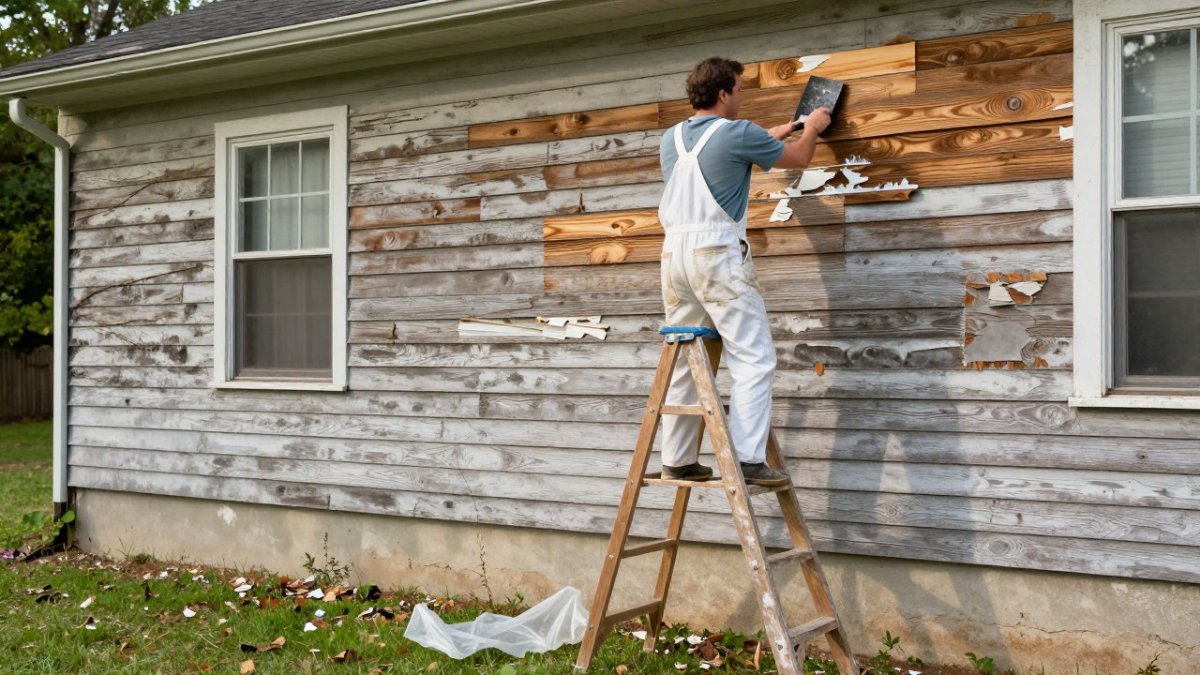
Exterior painting projects take significantly longer because weather conditions matter. A typical single-story exterior might take five to seven days depending on square footage, whether power washing is needed, and how much trim work is involved. Preparation often accounts for 40 percent of the total timeline, pressure washing, caulking gaps, sanding rough spots, and protecting landscaping all take time, but they're essential for results that last.
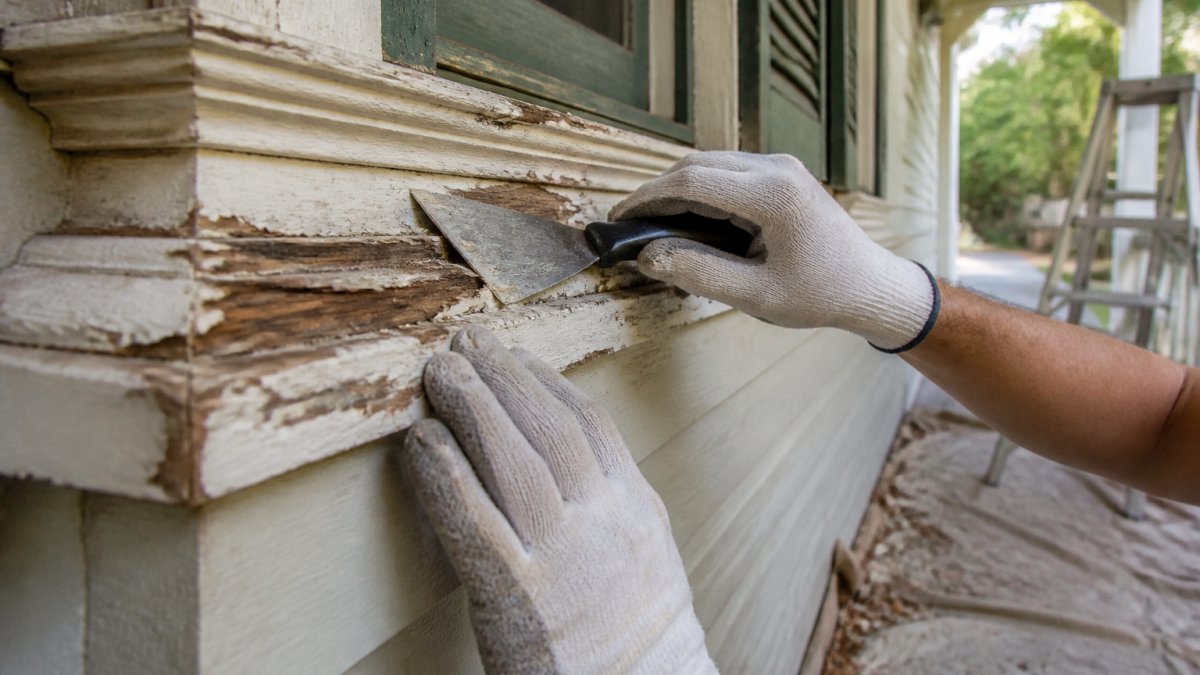
The real variable is preparation. Rushing this phase creates problems later. Paint applied over dirty, damaged, or improperly primed surfaces peels, cracks, or fades faster. Professional residential painting contractors build in adequate prep time because they're thinking about durability, not just speed.
Understanding House Painting Cost and Pricing Factors
House painting cost varies based on several concrete factors that determine what you'll actually spend. Understanding these drivers helps you compare quotes and recognize when a price seems unrealistic.
Square footage is the primary cost driver. The more wall and ceiling space you're covering, the more paint and labor you'll need. But square footage alone doesn't tell the whole story.
Surface condition directly impacts pricing. Walls in good shape need minimal prep. Walls with water damage, mold, or extensive cracks require repair work before paint goes on.
Paint quality influences price significantly. Premium paints from manufacturers like Sherwin-Williams and Benjamin Moore cost more than budget options, but they last longer, cover better, and resist fading in sunlight.
Labor costs reflect contractor experience and local market conditions. A crew with 42 years of experience and a reputation for quality commands higher rates than a newer operation. That's not a disadvantage, it's an investment in work that lasts.
Location matters too. Projects in metro Atlanta may cost differently than rural areas due to local labor rates and material availability. Get estimates from contractors familiar with your specific area and climate conditions.
The Fat Book's Atlanta house painting cost analysis and Build-Folio's Atlanta painting cost calculator provide regional reference points, though individual project costs vary based on your home's specific conditions.
Evaluating Painting Contractor Estimates and Quotes
A quality estimate tells you exactly what you're paying for and protects both you and the contractor. Don't compare three estimates by looking at the bottom-line number alone, the details reveal what's actually included.
A detailed estimate should break down labor, materials, prep work, and any additional services separately. You should see line items for surface preparation, primer, paint coats, trim work, and cleanup.
Compare scope carefully across estimates. One contractor might include power washing, caulking, and primer in their price. Another might list these as add-ons.
Timeline matters when comparing quotes. If one contractor says they can finish in three days and another says seven, ask why. The faster estimate might cut corners on prep or use fewer coats.
Red flags include estimates provided verbally with no written documentation, prices significantly lower than others without explanation, and contractors who won't provide references.
Ask whether the estimate includes a warranty. We provide a written workmanship warranty on every project. If a contractor won't guarantee their work in writing, that's a meaningful difference in what you're actually getting.

Critical Questions to Ask a Painting Contractor
Before hiring any residential painting contractor, ask these questions directly. Their answers reveal how they operate and whether they're the right fit for your project.
Do you use your own employees or subcontractors? This matters because subcontractors create accountability gaps. If something goes wrong, you're dealing with a middleman instead of the people who did the work.
What's included in your estimate, and what costs extra? Clarify whether prep work, primer, multiple coats, trim painting, and cleanup are included or separate line items. Don't assume, ask directly.
Do you provide a written warranty, and what does it cover? A warranty in writing protects you if paint peels, fades, or fails prematurely.
How do you handle surface problems you discover during the project? Contractors sometimes find damage, water stains, mold, structural issues, once they start prep work.
What's your process for protecting my home and landscaping? Professional contractors use drop cloths, plastic sheeting, and tape to protect floors, furniture, and landscaping.
Can you provide a detailed timeline? Know when crews will arrive, how many days the project takes, and when you can expect completion. Reliable contractors commit to timelines in writing.
Interior vs. Exterior Residential Painting: What Homeowners Need to Know
Interior and exterior painting require different approaches, materials, and timelines. Understanding these differences helps you plan appropriately and set realistic expectations.
Interior painting focuses on aesthetics and durability in controlled environments. Indoor surfaces don't face weather, UV exposure, or temperature swings, so interior paint doesn't need the same weather resistance as exterior coatings. Interior projects typically move faster because weather doesn't interrupt work, and prep work is often simpler.
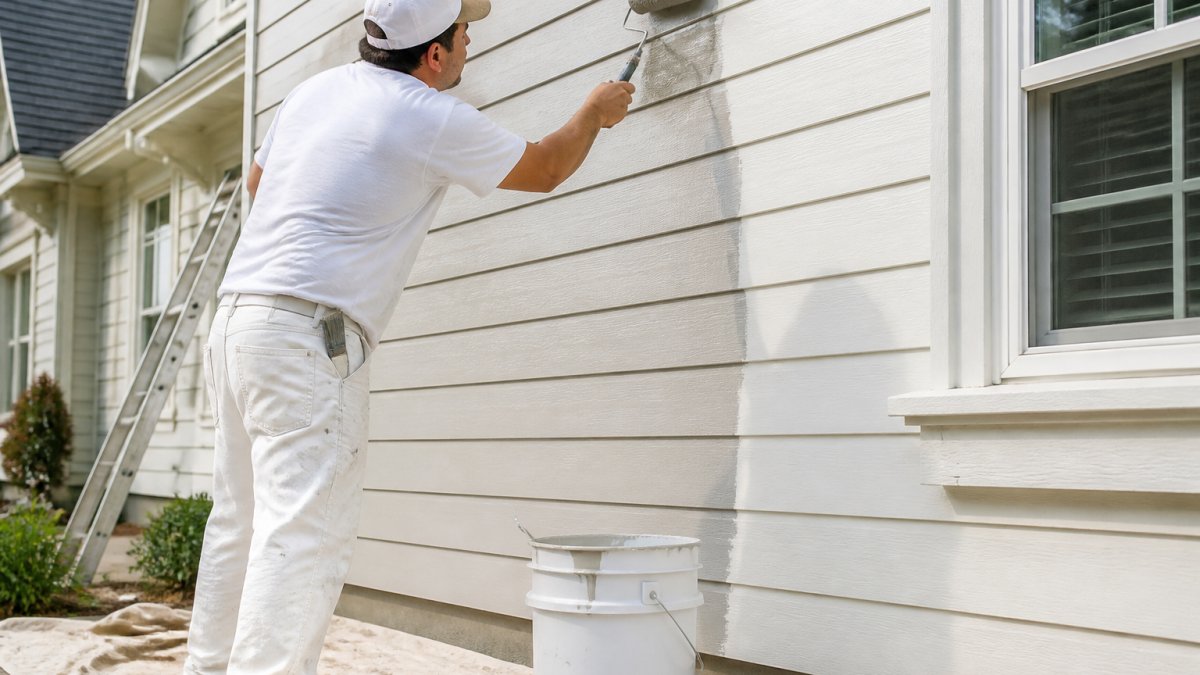
Exterior painting battles weather constantly. Paint on the outside faces sun damage, moisture, temperature changes, and wind. Exterior coatings must resist fading, peeling, and mildew growth.
Climate affects exterior paint performance significantly. In humid environments, mildew resistance becomes critical. In areas with intense sun, UV protection matters more. Contractors familiar with local conditions understand which products and application methods deliver longevity in your specific climate.
Surface type changes the approach. Wood trim requires different preparation than vinyl siding or brick. Stucco needs specific primers. Decks demand paint formulated for horizontal surfaces that endure foot traffic. A skilled residential painting contractor knows these distinctions and applies the right solutions.
Exterior projects take longer partly because of weather windows. Contractors can't paint in rain or extreme heat. A project scheduled for spring might extend into early summer if weather delays work. Interior projects proceed on schedule regardless of outside conditions.
Preparing Your Home and Managing the Painting Project
Proper preparation protects your home and ensures quality results. Start by discussing protection with your contractor, what will they cover, how will they handle furniture, and what's your responsibility versus theirs?
Clear rooms of unnecessary items before crews arrive. Move furniture to the center of rooms and cover it with plastic sheeting. Remove wall hangings, outlet covers, and light fixtures if possible. The fewer obstacles, the faster and more efficiently crews work.
For exterior projects, trim landscaping away from the house so painters can access all surfaces safely. Move outdoor furniture and grills away from work areas. Discuss driveway and deck protection, professional contractors use drop cloths and plastic to prevent paint spills from becoming permanent stains.
Establish a communication plan. Know how to reach your contractor if questions arise. Clarify whether you'll have daily check-ins or weekly updates. Reliable residential painting contractors maintain clear communication throughout the project.
Plan for disruption realistically. Interior painting means living with open windows for ventilation, restricted access to painted rooms until dry, and the smell of paint for a few days.
Ask about cleanup expectations. Professional contractors remove drop cloths and plastic, sweep debris, and dispose of paint cans properly. Confirm these details before work begins so there's no confusion about final condition.
Conclusion: Hiring the Right Contractor for Your Project
Choosing a residential painting contractor is more than getting a competitive price, it's selecting a partner who'll deliver quality that lasts and communicate clearly throughout the process. Southern Perfection Painting Inc. has spent 42 years building relationships with homeowners and property managers across metro Atlanta by prioritizing experienced crews, premium materials from Sherwin-Williams and Benjamin Moore, and written warranties on every project.
When you're ready to move forward, get a free, no-obligation estimate from a contractor who stands behind their work. We deliver detailed, itemized quotes within 48 hours and back every project with a written workmanship warranty. The EPA's guidance on lead-safe painting practices is worth reviewing if your home was built before 1978, as lead paint requires special handling.
Contact Southern Perfection Painting Inc. for your free estimate and discover how professional residential painting contractors approach your project with the care and accountability it deserves.
The difference between a painting project that disappoints and one that transforms your home comes down to choosing a contractor who listens, prepares thoroughly, and stands behind their work. Southern Perfection Painting Inc. combines 42 years of experience with trained crews, premium paint selections, and written workmanship warranties on every interior and exterior residential painting project. Get your free estimate today and see how professional painting contractors approach quality differently.
Frequently Asked Questions
How long does it take to paint a room?
Most interior rooms take 1-3 days to paint, depending on room size, wall condition, and trim complexity. A 12x12-foot bedroom with standard walls typically requires 1-2 days. Rooms with high ceilings, detailed trim, or significant surface preparation may take longer. Professional residential painting contractors can provide accurate timelines after inspecting your specific project.
What should be included in a painting contractor estimate?
A complete painting contractor estimate must include labor costs, materials (paint type and quantity), surface preparation details, trim and special surfaces, timeline, warranty terms, and payment schedule. Reliable contractors deliver itemized quotes that break down each cost component. Request estimates in writing and compare at least two quotes before deciding. Avoid vague estimates that lack detail.
What questions should I ask a painting contractor before hiring?
Ask about licensing and insurance, years in business, references from similar projects, warranty coverage in writing, whether they use W-2 employees or subcontractors, paint brands they use, and their preparation process. Request their process for handling unexpected issues and their cleanup standards. Verify they provide free estimates and explain their timeline clearly. These questions separate professional contractors from unreliable ones.
How much does residential house painting cost?
Residential painting costs vary significantly based on home size, interior vs. exterior work, surface condition, paint quality, and local labor rates. Factors like trim complexity, repairs needed, and specialty finishes affect the final price. Get free quotes from multiple contractors to compare pricing for your specific project.
How do I choose a reliable residential painting contractor?
Choose contractors with verifiable experience, proper licensing and insurance, written workmanship warranties, and positive customer reviews. Check how long they've been in business and request references from recent residential projects. Ensure they provide detailed written estimates and communicate clearly about project timelines. Avoid contractors who pressure you into quick decisions or offer prices significantly below competitors.
What's the difference between interior and exterior residential painting?
Interior painting focuses on walls, ceilings, and trim inside your home, typically using lower-VOC paints. Exterior painting requires weather-resistant, durable paints for wood, siding, stucco, or brick surfaces. Exterior work involves more surface preparation, weather considerations, and specialized equipment. Both require skilled application, but exterior projects demand expertise in climate-specific paint selection and surface protection.